
How PACE Programs Can Compete With Medicare Advantage
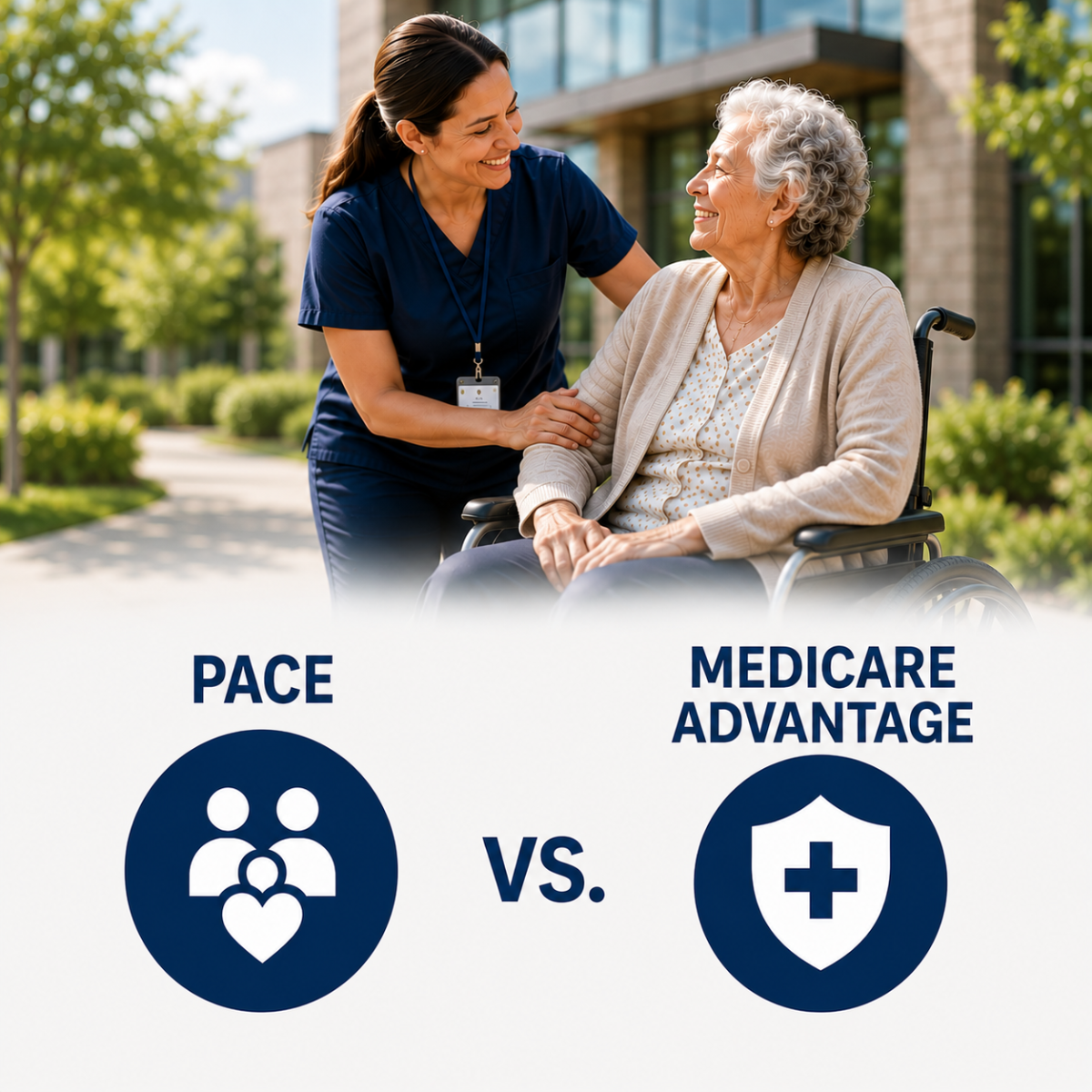
PACE programs and Medicare Advantage plans are sometimes discussed as direct competitors, and in some respects, they are. Both are capitated models that coordinate care for Medicare beneficiaries, and both can compete for referrals from the same sources: hospital discharge planners, social workers, and local agencies that offer senior services. But the competitive picture is more nuanced than it first appears, and understanding that nuance is key to building a smarter enrollment strategy for PACE.
Medicare Advantage serves a broad population of seniors across a wide range of health statuses. PACE, by contrast, is designed specifically for individuals 55 and older who meet a nursing facility level of care and live within a defined service area. That means the two models aren't always chasing the same person. Where competition does intensify is in the dual-eligible, high-acuity segment, particularly against D-SNPs, the Medicare Advantage product built for dual-eligible beneficiaries. That is where PACE and MA plans are genuinely competing for the same enrollment. Recognizing this distinction matters because it sharpens where PACE organizations should focus their energy, and where they don't have to.
The first step is clarity. Many families do not fully understand what PACE offers or how it differs from other options. PACE provides fully coordinated care covering medical, social, and long-term support needs, which includes the health center model that D-SNPs simply don't offer. This is a strong value proposition, but it is often not communicated in a simple or direct way.
Education should be a core part of every PACE growth strategy. Clear messaging around eligibility, services, and outcomes helps families make informed decisions. This is especially important because caregivers and family members are often the primary researchers and decision-makers. Understanding just how end-to-end PACE services can be in supporting the senior holistically is key.
Out-executing larger MA plans, however, is less about messaging alone and more about operational discipline across the entire enrollment journey. Many PACE organizations manage leads through spreadsheets, shared drives, and manual follow-up, which means opportunities are quietly falling through the cracks. The fix isn't necessarily more leads; it's often better visibility into the ones already in the funnel. Knowing where prospects are stalling, which referral sources are converting, and how long the average intake cycle takes gives leadership the information they need to make smarter decisions on staffing, outreach, and budget.
Community presence also plays a major role. Building consistent relationships with local providers, senior centers, and community organizations establishes the kind of trust that large MA plans struggle to replicate at the neighborhood level. But those relationships need to be backed by structured follow-up, because without it, warm referrals go cold. Digital channels matter too. Families are searching online before making decisions, and a clear website, strong local search presence, and frictionless intake process can meaningfully improve conversion rates.
Ultimately, PACE programs do not need to outspend Medicare Advantage plans. They need to out-execute them with the right population, the right message, and a process disciplined enough to turn interest into enrollment.
Not sure where your program is losing participants? That's where we come in. Get more information on what we do for PACE, here.